Sunday, January 27, 2019

LAD/Blog #28: Keating-Owen Child Labor Act

Image result for keating-owen child labor act
Keating-Owen regulations for labor
The Keating-Owen Child Labor Act does not allow manufacturers, producers, or traders to operate unless they have had 30 days without children under the age of 16 working in manufacturing, children 14-16 working more than 8 hours a week, and children under 14 working. A committee was also created by the Attorney General, Secretary of Commerce, and Secretary of Labor to enforce these guidelines. Plus, it allows inspections of the factories to make sure illegal child labor was not taking place and that any violations must be reported so the proper procedure could be used in court. The punishments for violations included jail time and fines. The Act concludes with the statement that it would take affect one year after it had passed. Unfortunately, it did not last very long as the Supreme Court ruled it unconstitutional in Hammer v Dagenhart, since they believed it to be exceeding the government's role in regulating commerce.

Image result for hine photography
Lewis Hine, a muckraker during the progressive movement,
photographed child labor to encourage the reform of 
child labor laws in America

LAD/Blog #27: MLK Jr.'s "I Have a Dream" Speech

Related image
MLK's "I Have a Dream Speech" being given 1963

Being the well-known civil rights advocate that he was, Martin Luther King Jr. voiced his stance on the matter clearly in his "I Have a Dream" speech. He believed that white and black communities could be combined together, and peace could fall over the nation. When talking about the Emancipation Proclamation and Lincoln, he stresses the fact that even over a hundred years later after freeing the slaves, African Americans still face lingering oppression and racism within the United States. King then compares the Constitution to a check, which was meant for both black and white races, but nonetheless, the check was marked for "insufficient funds" for blacks. He did not believe that the "bank of justice is bankrupt" and continued to fight against the injustices, stating his dreams where "all men are created equal" and children would not be judged by the color of their skin, but by the content of their character.
Image result for rosa parks
Rosa Parks was another civil rights advocate
who was arrested for refusing to sit in the back of
the bus. This led to the Montgomery Bus Boycott
of 1955-1956.

Wednesday, December 19, 2018

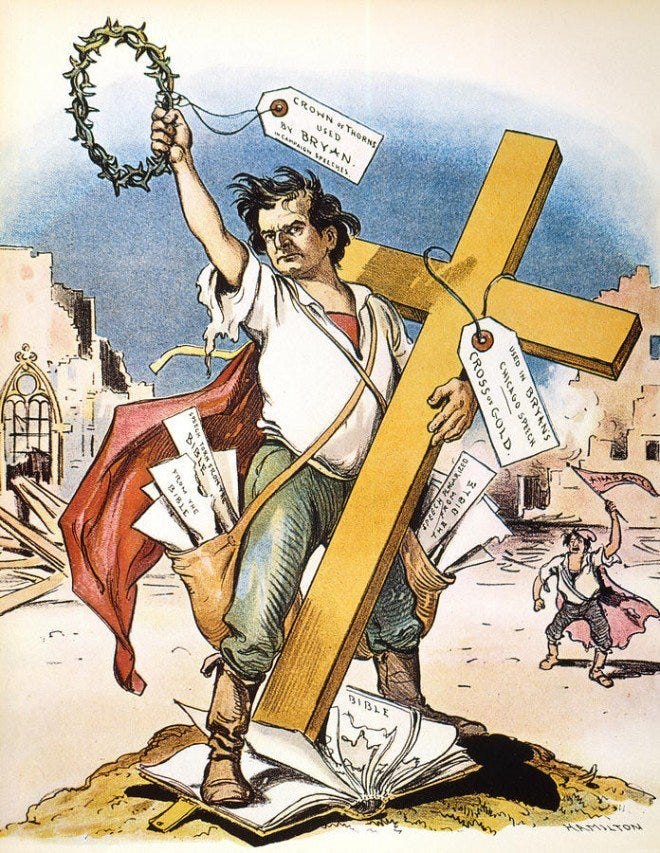
LAD/Blog #26: William Jennings Bryan's "Cross of Gold" Speech

Image result for cross of gold speech
Cross of Gold

        William Jennings Bryan delivered this speech in the hopes of advocating economic bimetallism. He believed that one amount of gold and a different amount of silver should be equal to another and supported the Democrats saying the dollar should be standardized to silver. Therefore, this would help the poor farmers out West and lead to Bryan's economic populism.
Related image
The Sherman Silver Purchase Act was also aimed towards
helping the farmers, as Bryan stated in his speech.

LAD/Blog #25: The Dawes Act

Image result for dawes act
The Dawes Act

           The Dawes Act gave the President the power to split up Native American tribal land and give it to individual people. He was allowed to do this with any reservation land he deemed advantageous for farming and permitted the government to sell Native American land to American settlers. Also, the government was allowed to build railroads, highways, and other infrastructures through the reservation land. Plus, it increased the amount of assimilation of Native Americans into American culture.
Image result for homestead act
The Homestead Act of 1862 also divided up land
in the West to those seeking to farm. It permitted
the government to have control of the land
and American settlers in the West.

LAD/Blog #24: Populist Party Platform

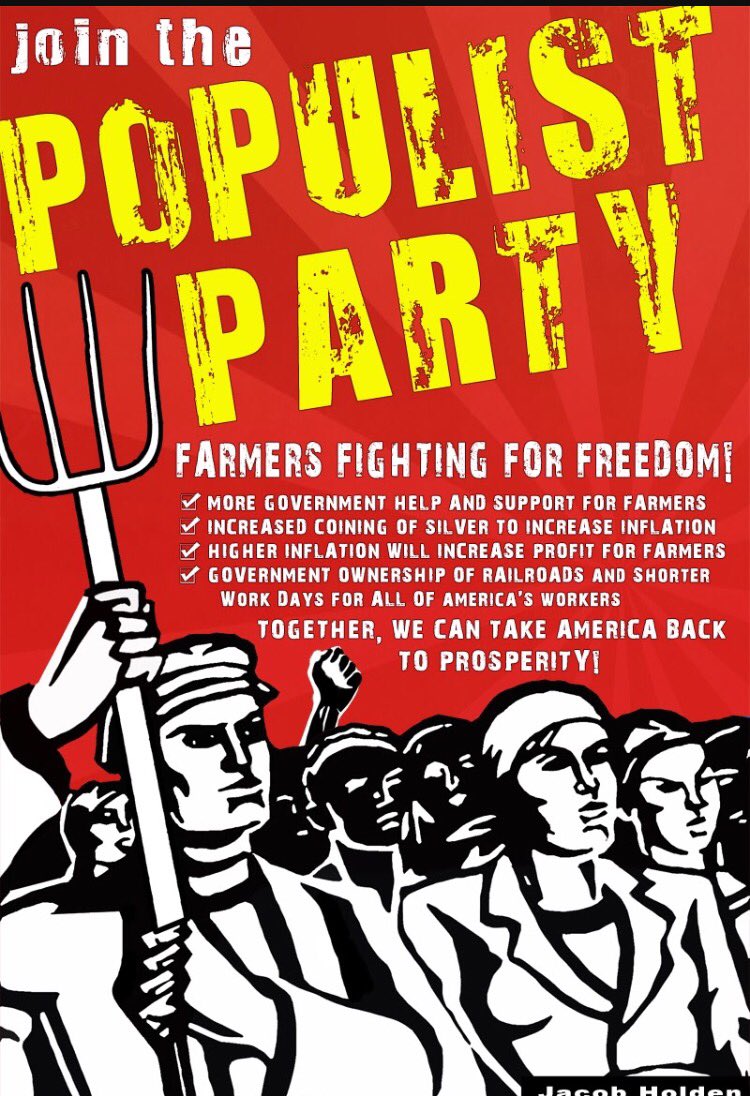
Image result for populist party
Populist Party campaign poster

          The Populist Party originally based their beliefs off opposing big businesses and all they stand for. Some of the first members included in the party were farmers who believed in unions and the basic rights of people for all workers. They were supporters of increased government control, and made sure all the railroads were controlled by the government. The Populist Party leaned in support of the people and their rights, going against corruption in business.
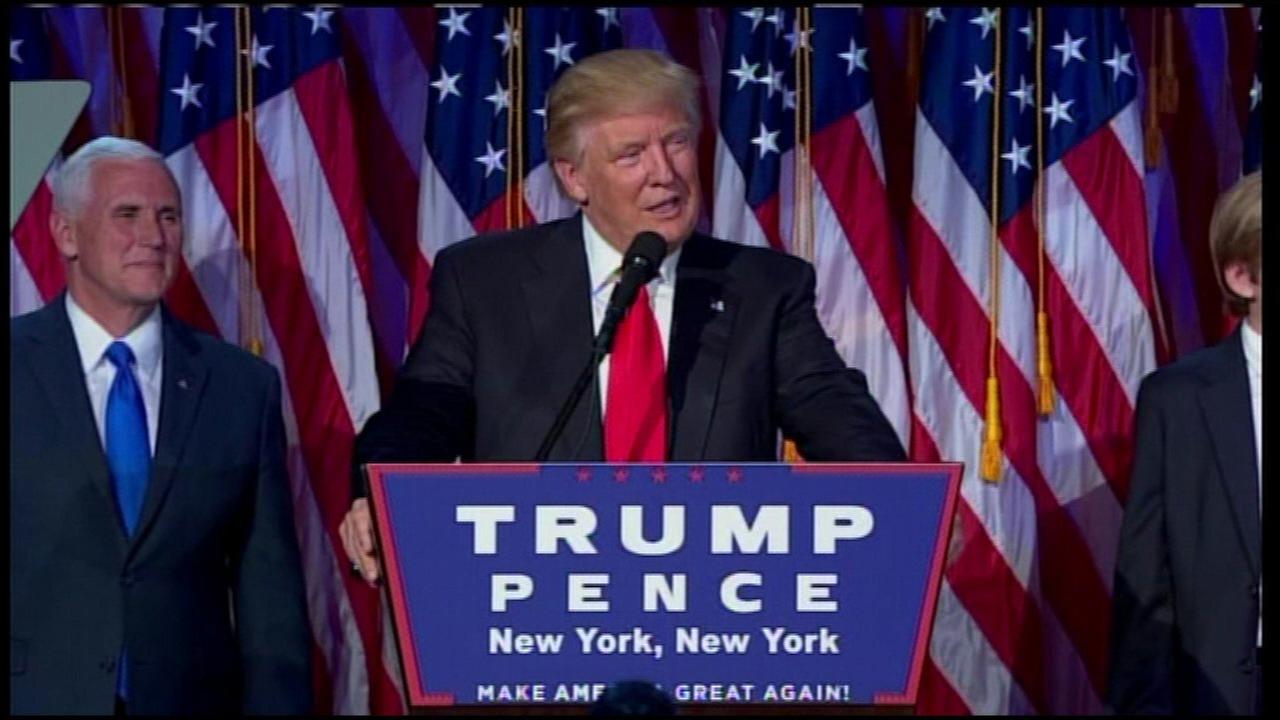
Related image
In Trump's 2016 election, he campaigned with speech
that made him seem like the common man. He put into
the minds of United States citizens that he was just another
ordinary person that would represent them and make
sure all their rights were being protected.

Tuesday, December 18, 2018

LAD/Blog #23: McKinley's War Message

Image result for mckinley's war message
McKinley's War Message

           McKinley eventually changed his mind towards neutrality in the Cuba v Spain war. He believed it was the United States' obligation to protect Cuba under the Monroe Doctrine and soon joined the fray. Besides protecting Cuban interests, McKinley thought that he had American interests at heart. He thought the war was hurting international trade and commerce between the United States and Cuba. The war proved to be a danger to American peace, and an expensive one at that.
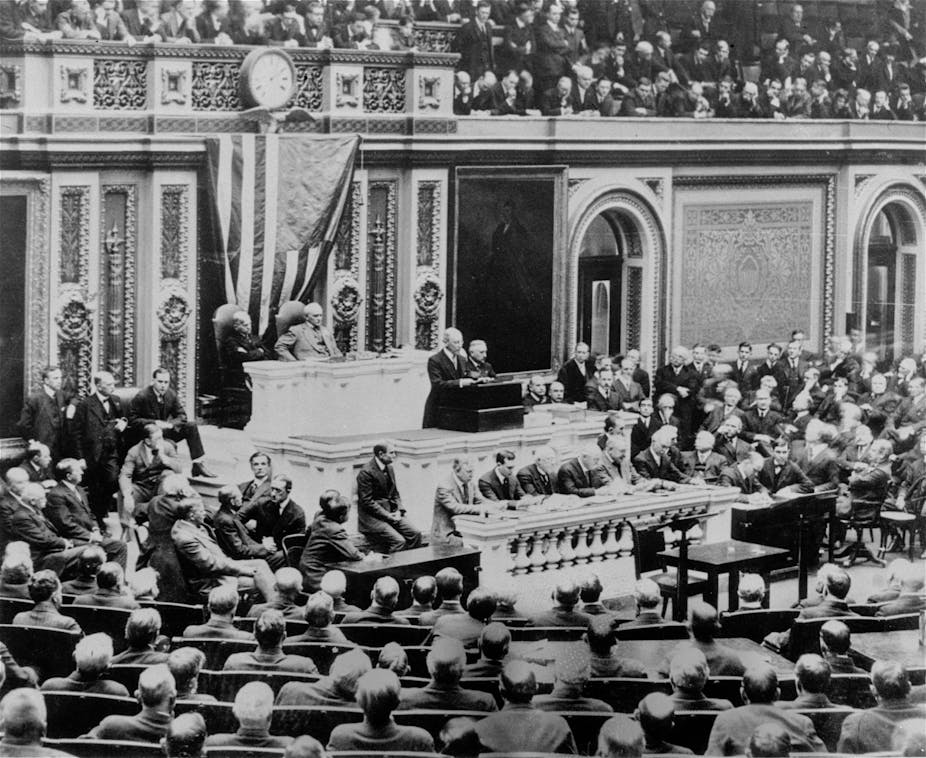
Image result for woodrow wilson's war message
Woodrow Wilson's war message asking Congress
to declare war on Germany was similar to McKinley's
as he felt it was right to protect other countries, and most
of all, the welfare of the United States.

Thursday, December 6, 2018

LAD/Blog #22: Carnegie's Gospel of Wealth

Image result for carnegie's gospel of wealth
Carnegie's Gospel of Wealth

         Andrew Carnegie addresses how the gap between rich and poor had become so wide that the poor were almost always living in poverty. He believed that they should do something about that, but also that those who were made for wealth would receive it. He thought that wealth should be earned, and not inherited to benefit the economy the most. His form of Social Darwinism, or when the stronger race would prevail over the weaker, led to him being one of the most powerful men in the Industrial Revolution. The laissez-faire form of government enabled him to do so, and when you accumulate that much wealth, as Carnegie believed, your responsibility to help those who need it becomes stronger.
Image result for bill gates
Carnegie was similar to Bill Gates in that they both
built up their wealth from poor backgrounds and had
no inheritance to their names. Also, they both continually
donated to charities, giving their efforts and money
to those with less than them.

LAD/Blog #39: Brown v Board of Education

Linda Brown The 1954 Supreme Court case, Brown v Board of Education , the Supreme Court ruled that segregating schools was unconst...